
TCB Jeans, Explained
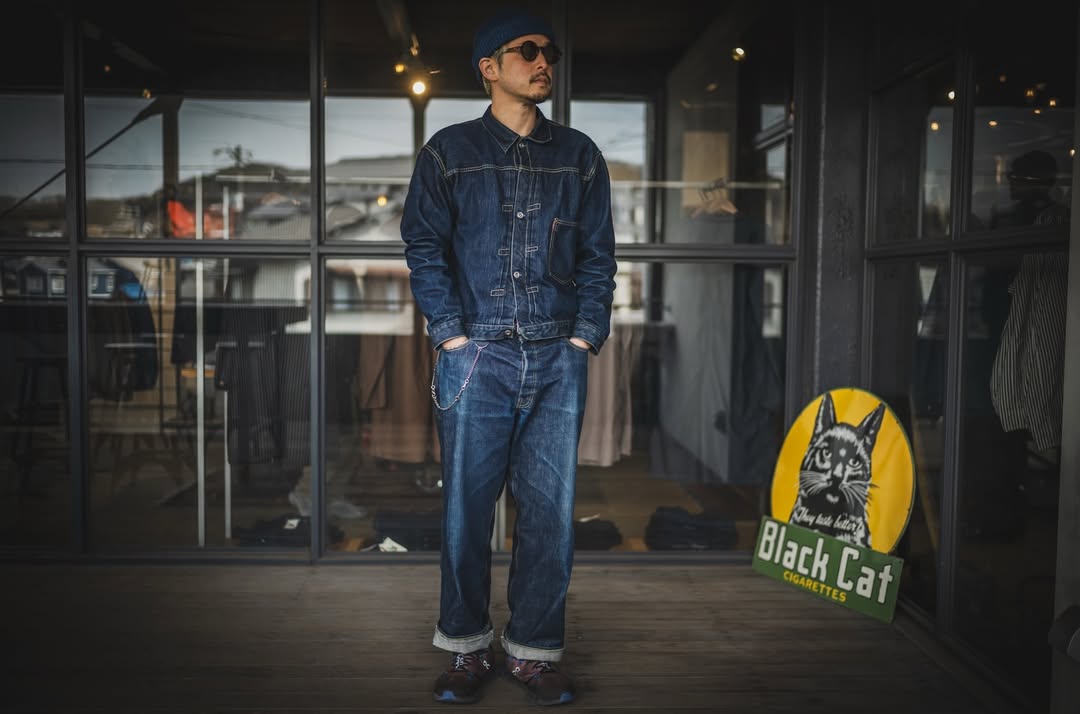
TCB makes vintage reproductions in Kojima, the town in Okayama that most Japanese denim comes from. Each pair recreates a specific era of American workwear, down to the thread count, the button shape, and the weave. If you want to see how jeans were actually built across the last century, TCB is the clearest way to do it, because they build each decade as its own model.
Who builds it

TCB is the work of Hajime Inoue. He moved to Kojima at twenty to work in a sewing factory, spent around eight years on the floor, then started his own. "I started TCB as a sewing factory back in 2008," is how he puts it. Before that he had also worked as a salesman in a tailoring shop, explaining to customers how their clothes were made, and he grew up around vintage clothing stores and old American films. All of that ends up in the jeans.
He went out on his own for a plain reason:
I didn't want to be stuck in the position of having no control over what I was doing.
So he left the factory floor and built one he ran himself. That need for control is the thread through everything TCB does.
The name
TCB started as "Taking Care of Business," his shorthand for the idea that anything worth doing should be done properly. Inoue is also a cat owner, and he reworked the letters into "Two Cats Brand" after his own two cats. The cat shows up across the line, on the leather patch and in pieces like the Cats Drive jeans and the Cathartt workwear.
How it is made

TCB is a small in-house sewing factory, which is rare even in Japan. Inoue sews on vintage American machines, a Union Special for the chainstitch, a Singer, a Reece, the same kinds of machines that built the originals. The fabric is woven for him by Shinya Mills in Okayama to his own spec. Nothing is outsourced, because the whole point is to keep his hands on every step, and that is also why the runs stay small.
How he approaches a reproduction
Inoue builds each model from two or three vintage pieces rather than copying a single pair. He sets the fit, chooses the fabric, and decides which period details to keep and which to drop. The result follows the original closely, with his own calls on the finer points.
Made to be worn, not collected

\Inoue is clear that these are workwear, not shelf pieces. He wears his own TCB 20's every day with no special routine. "I am wearing it naturally without worrying much," he says. When people ask how to break a pair in, his answer is the same: "I hope they go the natural route." That tells you how to treat a TCB. Wear them, work in them, wash them when they need it, and let the fades come from your life rather than a forced process. The slubby, uneven fabrics he picks are built to show that wear.
What makes the denim
TCB does not run one house fabric. Each model uses a cotton and a weave chosen to match the era it copies.
- The '50s Jeans use a 13.5oz Zimbabwe cotton with the uneven, slubby texture you get from irregular yarn.
- The '60s Jeans move to a 13oz San Joaquin cotton from California, woven rougher and dyed a touch darker, the way 60s denim went.
- The S'40s Jeans are a 14oz Zimbabwe cotton on a shuttle loom, cut to a WWII-era model with single-stitch back pockets and donut buttons.
- The NO.2 Jeans 1890 go back to an 1890s pattern, in a slubby Texas cotton that fades vertically.
- The Cats Drive uses a 14.6oz left-hand twill blended from three American cottons, and it is sanforized, so it is ready to wear.
That last point matters. Some TCB models are raw and some are one-wash. The '50s, '60s and S'40s come raw or loomstate, so they shrink and need sizing care. The Cats Drive and the Late S'40s are pre-shrunk or one-wash, so the size you try on is close to the size you keep.

The models we carry
- '50s Jeans, 13.5oz Zimbabwe cotton, raw
- '60s Jeans, 13oz San Joaquin cotton, raw
- S'40s Jeans, 14oz Zimbabwe cotton, WWII repro
- Cats Drive Jeans, 14.6oz left-hand twill, sanforized
- NO.2 Jeans 1890, Texas-cotton slub, 1890s pattern
- Jackets too: the '50s, '60s Trucker and S'40s denim jackets, the Cats Drive, and the Cathartt chore coat.
How it fits, and where to start
TCB cuts close to the vintage originals, which run smaller and sit higher in the rise than a modern jean. The '50s runs especially small, and TCB themselves call it the place to start. Use the TCB size chart rather than your usual waist. If you are between sizes, come in and try a pair. We keep TCB across our stores and can pull a few cuts in your size.
If you want a first proper repro, the '50s or '60s are the easy way in. If you want the war-era details, go S'40s. If you want something that barely shrinks, the Cats Drive or Late S'40s.
Where to buy TCB in Thailand
We stock TCB online and across our stores in Bangkok and Chiang Mai. Product pages show live in-store stock, so you can check a size before you visit, or message us on LINE @prontodenim.
FAQ
Is TCB raw or sanforized? It depends on the model. The Cats Drive and Late S'40s are pre-shrunk or one-wash. The '50s, '60s and S'40s come raw or loomstate and will shrink, so size up or soak first.
Where is TCB made? Kojima, Okayama, Japan, in Hajime Inoue's own sewing factory.
What weight is TCB denim? Mostly 13 to 14.6oz, depending on the model.
How should I break in a pair? Naturally. Inoue wears his own pair every day with no special routine and recommends the same. Wear them, wash when they need it, and let the fades come from real use.
Which TCB should I start with? The '50s or '60s. The '50s runs small, so check the size chart.
Do you carry TCB in store? Yes, across our stores. Product pages show live in-store stock.
ภาษาไทย · Thai version
เกี่ยวกับ TCB
TCB เป็นแบรนด์ยีนส์สายรีโปรดักชัน (reproduction) จากเมืองโคจิมะ จังหวัดโอกายามะ ซึ่งเป็นแหล่งผลิตเดนิมหลักของญี่ปุ่น แต่ละรุ่นถอดแบบเสื้อผ้าเวิร์คแวร์อเมริกันในยุคหนึ่ง ๆ ตั้งแต่จำนวนเส้นด้าย รูปทรงกระดุม ไปจนถึงลายทอ และทำแต่ละยุคออกมาเป็นคนละรุ่น
ใครคือคนเบื้องหลัง TCB
TCB คือผลงานของ Hajime Inoue เขาย้ายมาโคจิมะตอนอายุยี่สิบเพื่อทำงานในโรงงานเย็บผ้า อยู่หน้างานราวแปดปี แล้วจึงเปิดโรงของตัวเอง อย่างที่เขาเล่าว่า "ผมเริ่ม TCB ในฐานะโรงเย็บเมื่อปี 2008" ก่อนหน้านั้นเขาเคยเป็นพนักงานขายในร้านตัดเสื้อ คอยอธิบายให้ลูกค้าฟังว่าเสื้อผ้าทำขึ้นมาอย่างไร และเติบโตมากับร้านเสื้อผ้าวินเทจและหนังอเมริกันเก่า ทั้งหมดนี้ปรากฏอยู่ในยีนส์ของเขา
เขาออกมาทำเองด้วยเหตุผลง่าย ๆ คือไม่อยากอยู่ในจุดที่ "ไม่มีอำนาจควบคุมสิ่งที่ตัวเองทำ" จึงออกจากหน้างานโรงงานมาสร้างโรงที่เขาคุมเองทุกขั้นตอน ความต้องการควบคุมงานนี้คือหัวใจของทุกอย่างที่ TCB ทำ
ที่มาของชื่อ
เดิม TCB มาจาก "Taking Care of Business" ซึ่งเป็นแนวคิดของเขาว่าอะไรที่ทำก็ควรทำให้ดี Inoue เลี้ยงแมว จึงตีความตัวอักษรใหม่เป็น "Two Cats Brand" ตามแมวสองตัวของเขา ลายแมวปรากฏทั่วไลน์ ทั้งบนป้ายหนังและในรุ่นอย่าง Cats Drive และ Cathartt
ทำขึ้นอย่างไร
TCB เป็นโรงเย็บขนาดเล็กที่ทำเองในบ้าน ซึ่งหาได้ยากแม้แต่ในญี่ปุ่น Inoue เย็บด้วยเครื่องจักรอเมริกันรุ่นเก่า ทั้ง Union Special, Singer และ Reece ซึ่งเป็นเครื่องจักรแบบเดียวกับที่ใช้ทำต้นฉบับ ผ้าทอเฉพาะให้โดย Shinya Mills ในโอกายามะตามสเปกของเขาเอง ไม่มีการจ้างผลิตข้างนอก เพราะหัวใจคือการคุมงานเองทุกขั้นตอน และนั่นทำให้แต่ละล็อตผลิตจำนวนน้อย
วิธีที่เขาทำงานรีโปรดักชัน
Inoue สร้างแต่ละรุ่นจากยีนส์วินเทจสองสามตัว ไม่ใช่ลอกจากตัวเดียว เขากำหนดทรง เลือกเนื้อผ้า และตัดสินใจว่าจะเก็บรายละเอียดยุคไหนไว้และตัดอันไหนออก ผลที่ได้จึงใกล้เคียงต้นฉบับ พร้อมการตัดสินใจในรายละเอียดปลีกย่อยที่เป็นของเขาเอง
ทำมาให้ใส่ ไม่ใช่ให้สะสม
Inoue พูดชัดว่ายีนส์เหล่านี้คือเวิร์คแวร์ ไม่ใช่ของตั้งโชว์ เขาใส่ TCB 20's ของตัวเองทุกวันโดยไม่มีพิธีรีตองอะไร "ผมใส่มันไปตามธรรมชาติโดยไม่กังวลมาก" และเมื่อมีคนถามวิธีเบรกอิน เขาก็ตอบเหมือนเดิมว่าอยากให้ "เป็นไปตามธรรมชาติ" นั่นบอกวิธีดูแล TCB ได้ดี ใส่มันจริง ๆ ทำงานในมัน ซักเมื่อถึงเวลา และปล่อยให้รอยเฟดมาจากการใช้ชีวิต ไม่ใช่จากการเร่ง เนื้อผ้าหยาบสลับที่เขาเลือกถูกออกแบบมาให้โชว์ร่องรอยการใช้งานพอดี
เนื้อผ้าของแต่ละรุ่น
- '50s Jeans ผ้า 13.5oz ฝ้ายซิมบับเว เนื้อหยาบสลับ (slub)
- '60s Jeans ผ้า 13oz ฝ้าย San Joaquin จากแคลิฟอร์เนีย ทอหยาบและย้อมเข้มขึ้นตามแบบยุค 60
- S'40s Jeans ผ้า 14oz ฝ้ายซิมบับเว ทอด้วยกี่กระสวย ถอดแบบยุคสงครามโลกครั้งที่ 2
- NO.2 Jeans 1890 อิงแพตเทิร์นยุค 1890 ผ้าฝ้ายเท็กซัสเนื้อ slub เฟดแนวตั้ง
- Cats Drive ผ้า 14.6oz ทอแบบ left-hand twill ผ่าน sanforized พร้อมใส่ทันที
รุ่น '50s '60s และ S'40s เป็นผ้าดิบหรือ loomstate จะหดและต้องเผื่อไซซ์ ส่วน Cats Drive และ Late S'40s ผ่านการหดหรือซักมาแล้ว ไซซ์ที่ลองใกล้เคียงไซซ์จริง
การเลือกไซซ์ และรุ่นเริ่มต้น
TCB ตัดทรงใกล้ต้นแบบวินเทจ ซึ่งไซซ์เล็กและเอวสูงกว่ายีนส์สมัยใหม่ โดยเฉพาะรุ่น '50s ที่ไซซ์เล็ก และ TCB เองแนะนำให้เริ่มจากรุ่นนี้ กรุณาดูตารางไซซ์ของ TCB แทนการใช้รอบเอวปกติ หากไม่แน่ใจไซซ์ แวะลองที่หน้าร้านได้ เรามี TCB ทุกสาขา
ซื้อ TCB ได้ที่ไหนในไทย
เรามี TCB ทั้งออนไลน์และที่หน้าร้านในกรุงเทพฯ และเชียงใหม่ หน้าสินค้าจะแสดงสต๊อกหน้าร้านแบบเรียลไทม์ เช็คไซซ์ก่อนมาได้ หรือทักไลน์ @prontodenim